The government decided on the privatization of the Odesa Port Plant
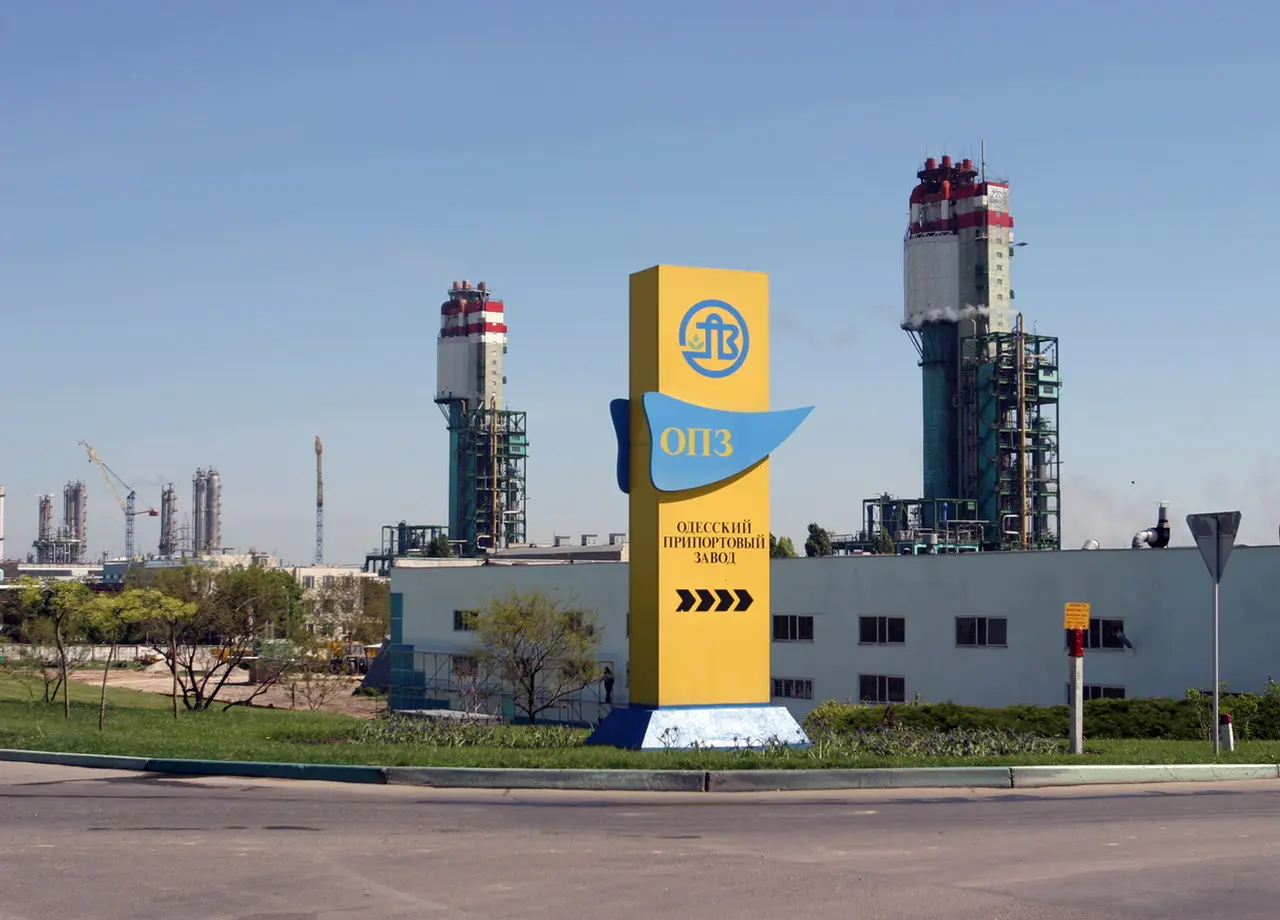
The Cabinet of Ministers of Ukraine, at its meeting on August 26, decided to privatize Odesa Port Plant JSC (OPP). This was announced by Prime Minister of Ukraine Yulia Svyrydenko.
According to Svyrydenko, the state-owned stake (99.5667%) will be put up for an open electronic auction with a starting price of UAH 4.489 billion, which amounts to about $108.6 million at the current exchange rate of the National Bank.
“The enterprise must resume full operation. This is only possible through the involvement of a private owner and investment. The sale of OPP will allow replenishment of the budget, creation of new jobs, and provide Ukrainian farmers with access to domestic fertilizers,” Svyrydenko said.
Privatization terms
According to the Ministry of Economy, the main conditions for the sale of the OPP stake are:
- preservation of the main types of activity of the enterprise for 5 years;
- investments of at least UAH 500 million ($12.07 million) over 5 years;
- repayment of wage and budget arrears within 1 year;
- repayment within 5 years of overdue accounts payable, excluding debts to sanctioned persons/companies, in particular from Russia and Belarus;
- ensuring social guarantees for the company’s employees;
- compliance with environmental legislation.
Odesa Port Plant
Odesa Port Plant is one of the largest chemical complexes in Ukraine, which, before the war, produced ammonia and urea, focusing on exports. In autumn 2021, the plant stopped operations due to high prices of natural gas, which is the main resource for fertilizer production. OPP consumed about 2 mcm of gas per day.
The plant operated from August 2019 to September 2021 under a tolling agreement with Agro Gas Trading LLC. Later, NABU and SAPO uncovered a criminal scheme of funds withdrawal through gas supplies to OPP, headed by the former head of the State Property Fund of Ukraine, Dmytro Sennychenko.
With the start of the full-scale invasion, the plant operated partially, supplying oxygen and nitrogen for critical needs, as well as performing the functions of a port hub.
The last attempt to restart the plant was in 2024. OPP held a tender for the purchase of natural gas, which was won by Ukrnaftogazburinnya. The agreement provided for the supply of 242.557 mcm of natural gas, which became the largest open gas supply deal in recent years. However, the plant operated for less than two weeks, which was due to a number of reasons: difficulties in selling the produced ammonia, an unsuccessful attempt to produce urea, and the lack of gas from the supplier.
“Among the priorities of the Government is large-scale privatization, to make the management of state assets efficient, to turn state resources into economic value for the country. The sale of such a large facility as OPZ is a chance to restore its operation, create new jobs, and attract funds to the state budget,” said Deputy Minister of Economy, Environment, and Agriculture of Ukraine Daria Marchak.
08:45 / 27 August 2025
Articles
11:16 / 2 January, 2026
Gas imports to Ukraine hit a five-year high at 6.5 bcm in 2025
10:29 / 16 July, 2025
Ukraine’s Recovery: Energy as a Priority
11:50 / 2 July, 2025
Ukraine boosts natural gas imports twelvefold
13:22 / 27 May, 2025
Gas prices in Ukraine surge: Highest level in over two years
13:17 / 26 May, 2025
Ukraine injects over 1 bcm of gas into storages
12:09 / 19 May, 2025
Special Issue: When Will Europe Switch to SDAC 15-minute intervals?
10:05 / 3 February, 2025
Special materials: Energy Mix of Neighbouring Countries in 2024: Coal, Nuclear, and the "Green" Path