Ukraine launches new biomethane plant
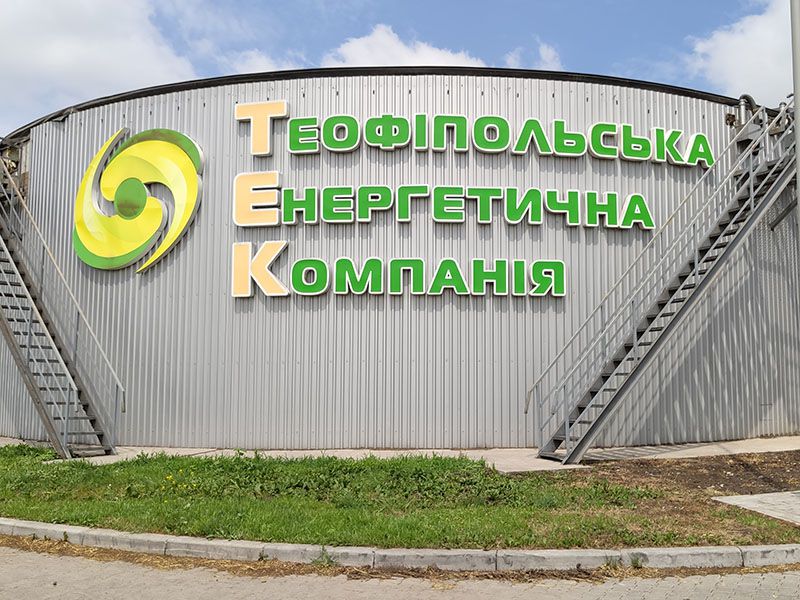
A new biomethane plant has been commissioned in Ukraine, owned by Teofipolska Energy Company, according to Georgii Geletukha, Head of the Bioenergy Association of Ukraine.
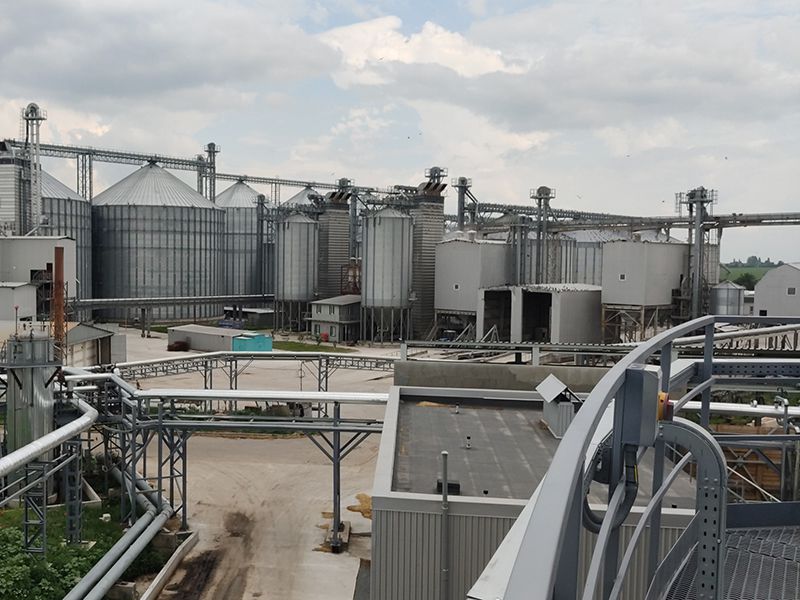
Following the launch, the total number of biomethane producers in Ukraine has increased to six, with combined capacity reaching 106 mcm per year. The new facility is the largest in the sector, with a design capacity of around 56 mcm of biomethane annually.
Connection to the GTS
A key feature of the plant is its direct connection to the gas transmission system, allowing biomethane to be injected directly into main gas flows. This distinguishes it from most other producers, which operate via gas distribution networks.
As of now, four out of six operating plants inject biomethane into pipelines (three into gas distribution networks and one into the GTS), while two produce bio-LNG — liquefied biomethane transported by cryogenic tankers. All output is certified under the ISCC EU scheme, recognized by the European Commission.
Another seventh biomethane plant is expected to be launched in Ukraine later this year.
Despite the growing number of projects, production volumes remain relatively small compared to the overall market. Total biomethane capacity stands at around 0.1 bcm per year, while domestic natural gas consumption in Ukraine is estimated at about 20 bcm annually.
Biomethane sector potential
At the same time, the sector has significant growth potential. Before the full-scale war, Ukraine planned to increase biomethane production to 1 bcm by 2030, 4.5 bcm by 2040, and up to 20 bcm by 2050, which could theoretically fully replace current natural gas consumption.
According to the Bioenergy Association of Ukraine, achieving this level would require the construction of around 4,000 biomethane plants, with total investment potentially reaching €40 billion. At the same time, realizing this potential could reduce greenhouse gas emissions by 50 million tons of CO2 annually and create up to 250,000 jobs.
16:00 / 17 March 2026
Articles
11:16 / 2 January, 2026
Gas imports to Ukraine hit a five-year high at 6.5 bcm in 2025
10:29 / 16 July, 2025
Ukraine’s Recovery: Energy as a Priority
11:50 / 2 July, 2025
Ukraine boosts natural gas imports twelvefold
13:22 / 27 May, 2025
Gas prices in Ukraine surge: Highest level in over two years
13:17 / 26 May, 2025
Ukraine injects over 1 bcm of gas into storages
12:09 / 19 May, 2025
Special Issue: When Will Europe Switch to SDAC 15-minute intervals?
10:05 / 3 February, 2025
Special materials: Energy Mix of Neighbouring Countries in 2024: Coal, Nuclear, and the "Green" Path