Naftogaz and Kino Aski LNG to explore Canadian LNG supplies
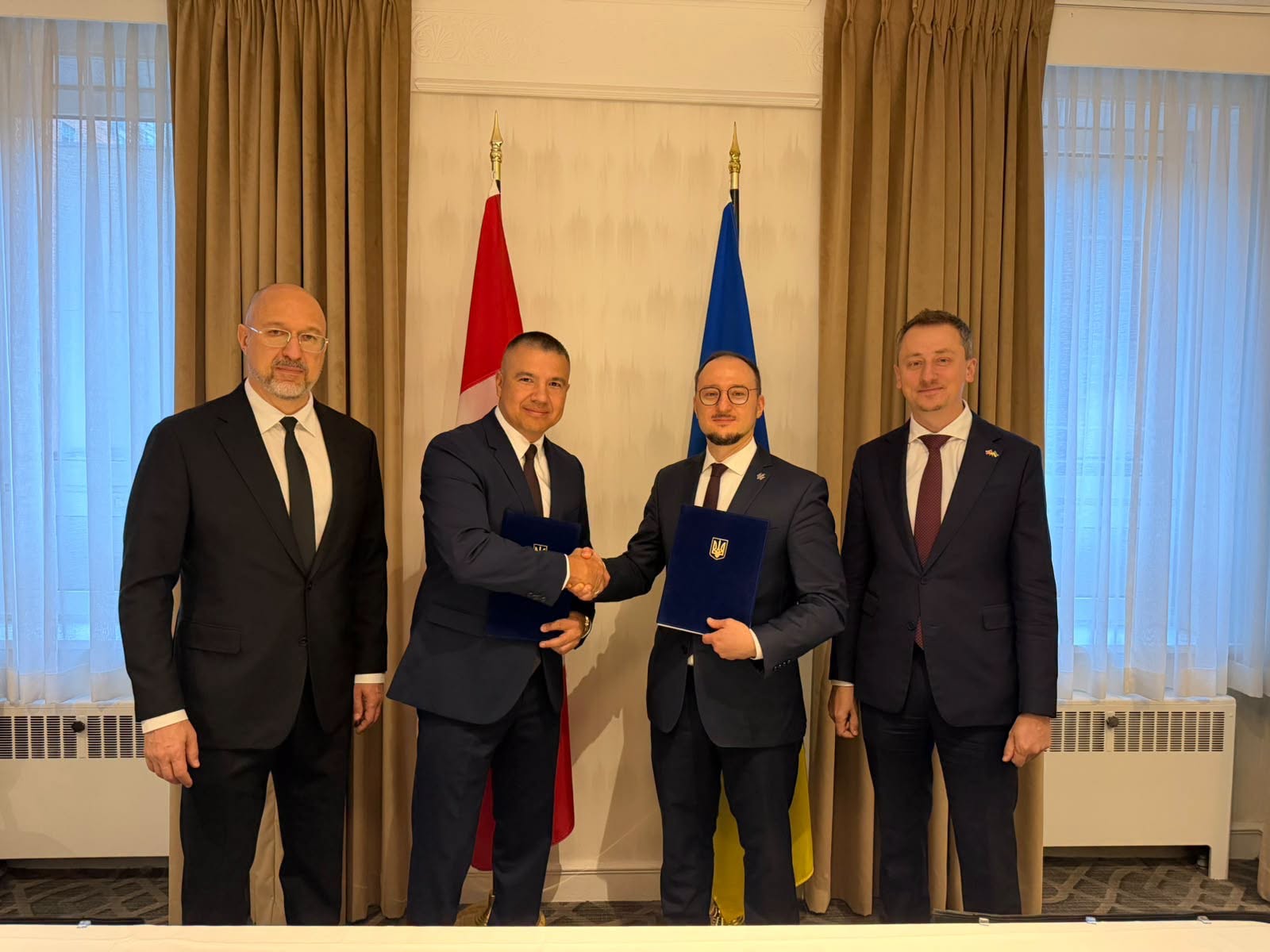
Naftogaz Group and Canada's Kino Aski LNG have signed a memorandum on potential cooperation in the long-term supply of Canadian LNG to Ukraine and other European countries, Kino Aski LNG reported.
The memorandum was signed during a Ukrainian delegation's visit to Canada. According to Naftogaz's Director of International Cooperation and Sustainable Development Oleksii Riabchyn, the parties are considering starting supplies after 2032.
What the memorandum covers
The agreement establishes a framework for assessing potential LNG purchase volumes from the planned Kino Aski terminal in Quebec. The parties will also analyze European market demand and options for transporting LNG to Europe.
Potential Canadian supplies could be aligned with the capacity Naftogaz has booked at the LNG terminal in Klaipėda, Lithuania. In June 2026, the company secured long-term access to its regasification capacity for 2033 - 2044.
"We are expanding our network of international partners to create more opportunities to purchase gas on competitive terms. Cooperation with Kino Aski LNG will allow us to assess the potential for adding Canadian LNG to our supply portfolio," said Naftogaz acting CEO Sergii Fedorenko.
However, the signed document is not a supply contract. The parties have not yet agreed on binding purchase volumes, prices, or a delivery schedule.
Canada has substantial natural gas resources, most of which are concentrated in the west of the country. High production and limited transportation capacity can keep domestic prices relatively low. However, the cost of supplying gas to Europe must also include transportation across Canada, liquefaction, and ocean shipping.
Kino Aski LNG project
The Kino Aski LNG project envisages an LNG export terminal near the deepwater port of Baie-Comeau in Quebec. Its stated potential capacity is up to 15 million tons of LNG per year, equivalent to 20.7 bcm of natural gas.
To transport gas from western Canada to Quebec, the developers plan to modernize existing infrastructure and build around 1,000 km of new gas pipelines. The port would accommodate up to three electrically driven floating liquefaction units.
Power for the facilities is expected to come partly from around 1.7 GW of new wind generation and electricity from Quebec's grid.
The project is being developed with the participation of Canada's Indigenous peoples. Kino Aski Inc. is the majority owner, while Marinvest Energy Canada is the minority partner. The developers say Indigenous First Nations communities are to participate in decision-making and receive long-term economic benefits from the project.
Kino Aski LNG remains at an early stage of development. The final pipeline route has not been determined, formal regulatory procedures have not yet begun, and no decision to proceed with construction has been made. The project still requires technical and environmental studies, community consultations, permitting, and financing.
This is not Naftogaz's first attempt to explore Canadian supplies. In 2022, the company agreed to cooperate with Symbio Infrastructure on another LNG project in Quebec, but its development encountered environmental and permitting obstacles.
Memorandum with Jacob Capital Management
During the visit to Canada, Naftogaz also signed a memorandum with Canada's Jacob Capital Management. Oleksii Riabchyn and Jacob Capital Management CEO Sasha Jacob signed the document in Toronto during Ukrainian President Volodymyr Zelenskyy's meeting with Canadian businesses.
The parties plan to explore investment projects in gas-fired electricity generation, renewable generation, and electricity storage systems in Ukraine. The initial stage involves building a portfolio of projects with a combined installed capacity of around 1 GW and estimated investment needs of approximately $1 billion.
This amount is a preliminary estimate of required financing, rather than investment already secured or guaranteed. The next stage is expected to involve working on the projects with potential investors and Canadian and international financial institutions.
Separately, Canada has allocated up to CAD 757 million in loan guarantees for the EBRD. These could be used, among other purposes, to finance gas purchases and build fuel stocks ahead of the 2026/2027 heating season. The guarantees are not part of the memorandums signed by Naftogaz.
14:51 / 12 September 2026
Articles
11:16 / 2 January, 2026
Gas imports to Ukraine hit a five-year high at 6.5 bcm in 2025
10:29 / 16 July, 2025
Ukraine’s Recovery: Energy as a Priority
11:50 / 2 July, 2025
Ukraine boosts natural gas imports twelvefold
13:22 / 27 May, 2025
Gas prices in Ukraine surge: Highest level in over two years
13:17 / 26 May, 2025
Ukraine injects over 1 bcm of gas into storages
12:09 / 19 May, 2025
Special Issue: When Will Europe Switch to SDAC 15-minute intervals?
10:05 / 3 February, 2025
Special materials: Energy Mix of Neighbouring Countries in 2024: Coal, Nuclear, and the "Green" Path